
 Rabeya Khawar
 Introduction
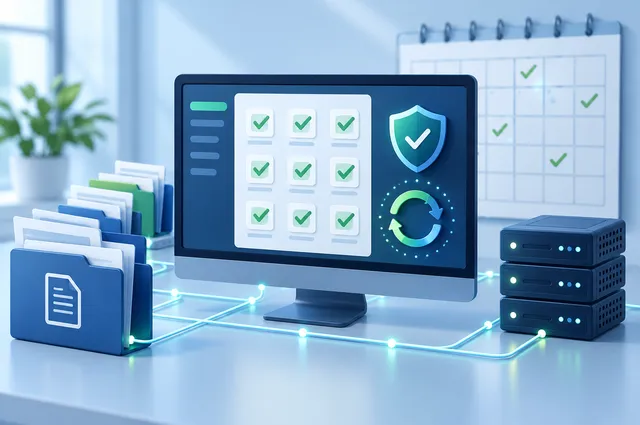
For many IT teams, preparing for an annual compliance audit means putting normal projects on hold while employees search through months of records, system logs, and policy documents. The closer the audit gets, the more pressure builds, especially when evidence has not been organized throughout the year.
This approach can be stressful and inefficient. More importantly, it creates a gap between what an organization can demonstrate during an audit and what is actually happening across its technology environment throughout the rest of the year.
Modern IT environments change constantly. Cloud configurations are updated, employees join and leave, new devices are connected, and software receives frequent updates. A once-a-year review cannot capture every change that takes place afterward.
Maintaining compliance therefore needs to become an ongoing process rather than a yearly event. Continuous security oversight can help organizations monitor their controls more consistently, address problems earlier, and make audit preparation part of normal IT operations.
The Fatal Flaw of Point-in-Time Audits
Modern IT environments are highly dynamic. Cloud configurations change, new devices connect to the network, and software updates roll out regularly. An annual compliance audit, by comparison, provides only a snapshot of the environment at the time it takes place.
That creates a potential blind spot. A firewall rule could be changed incorrectly shortly after an audit, or a new device could be connected without the appropriate security settings. Without ongoing monitoring, those changes may go unnoticed until the next review or until they contribute to a larger security problem.
This is one reason organizations are moving toward proactive IT management. Continuous system monitoring can help identify configuration changes, performance issues, and potential security concerns before they become larger problems. For businesses that need ongoing assistance managing these responsibilities, IT support solutions in Greenville can support a more proactive approach to system health, maintenance, and security.
Waiting for something to break before addressing it is particularly risky when an organization handles regulated or sensitive information. Regular oversight gives IT teams more opportunities to identify and address issues before they become urgent.
What Is Continuous Security Oversight?
Continuous security oversight treats compliance and security as ongoing responsibilities rather than annual projects. One framework that supports this approach is Continuous Control Monitoring (CCM), which involves regularly checking security controls to confirm that they continue to operate as intended.
Instead of waiting for an auditor to review a control months after it was implemented, monitoring tools can help organizations track configurations, access controls, system activity, and other relevant information throughout the year.
This ongoing visibility can also change how IT teams spend their time. Rather than rushing to collect evidence immediately before an audit, teams can maintain records as part of their normal operations. When an auditor requests documentation, much of the necessary information is already available.
The goal is not to eliminate formal audits. It is to make the period between audits more productive by maintaining a clearer understanding of the organization’s security posture throughout the year.
Closing the Evidence and Ownership Gaps
One of the challenges organizations face during compliance reviews is demonstrating that their controls have been consistently maintained. Having a firewall, backup system, or access policy in place is only part of the picture. Organizations may also need to show that those controls were reviewed, monitored, and maintained over time.
Continuous monitoring can help address this documentation challenge. Systems can collect relevant data, record changes, track alerts, and maintain a history of security-related activity.
For example, if a backup fails, an automated monitoring system can flag the issue and create a record of when it occurred and how it was addressed. When an auditor later asks for evidence of ongoing monitoring, the organization has a documented history rather than having to reconstruct events from memory.
This reduces the pressure associated with manual evidence collection. Instead of spending days searching through old records before an audit, IT teams can work from information gathered as part of their regular security processes.
The Regulatory and Financial Benefits of Proactive IT
Moving from reactive IT management to continuous oversight also changes how organizations approach technology spending. Rather than budgeting primarily for emergency fixes and last-minute compliance projects, businesses can take a more predictable approach to maintenance and security.
A break/fix model can result in unpredictable costs. Emergency response, unexpected downtime, hardware failures, and urgent remediation work can quickly consume an IT budget. Proactive management focuses on identifying and addressing problems before they become expensive disruptions.
This approach can be particularly useful for organizations operating in regulated industries such as healthcare and financial services. Compliance requirements vary by industry and jurisdiction, but businesses handling sensitive information generally need processes that help them maintain appropriate security controls and documentation.
Continuous monitoring does not eliminate the possibility of a breach or guarantee compliance. What it can do is give organizations greater visibility into their systems and an opportunity to respond to problems sooner.
| Metric | Reactive Compliance | Continuous Compliance |
| Cost Predictability | More variable due to emergency work | More predictable through planned maintenance |
| Threat Visibility | Gaps may exist between formal reviews | More consistent monitoring throughout the year |
| Audit Preparation | Often requires concentrated manual effort | Evidence can be collected during normal operations |
| Operational Impact | Audit preparation can interrupt projects | Compliance activities can fit into daily IT processes |
The Role of Certified Expertise in Maintaining Compliance
Technology tools and automated monitoring can provide valuable visibility, but they still require people who understand how to interpret the information and respond appropriately.
Internal IT teams may already be responsible for infrastructure, user support, applications, and day-to-day operations. Adding continuous compliance monitoring to that workload can create additional pressure, particularly for organizations with limited resources.
A Business Technology Strategist (BTS), virtual CIO, or similar technology advisor can help connect IT decisions with broader business and compliance requirements. Rather than looking at individual systems in isolation, they can help develop a technology roadmap that considers business priorities, security needs, and long-term growth.
Periodic security assessments can also provide an independent perspective. Professionals with certifications such as CISSP or CISA may bring specialized knowledge to security reviews, risk assessments, and compliance-related work. The specific qualifications needed will depend on the organization’s industry, requirements, and scope of the assessment.
Continuous compliance is therefore not purely a software problem. Technology can automate much of the monitoring and evidence collection, but experienced professionals are still needed to interpret findings, prioritize risks, and determine what action should be taken.
3 Steps to Transition to a Continuous Compliance Model
Moving away from an annual audit scramble does not have to happen all at once. A phased approach can make the transition easier while giving organizations a clear starting point.
- Discover. Begin by establishing a baseline of the current IT environment. A comprehensive assessment can identify existing vulnerabilities, compliance gaps, critical systems, and where sensitive information is stored. This gives the organization a clearer picture of what needs attention.
- Strategize. Once the major gaps are identified, create a practical technology roadmap. Prioritize issues according to their potential business and security impact rather than attempting to address everything at once. The plan should also account for growth plans and applicable regulatory requirements.
- Execute & Support. Put the roadmap into practice through ongoing monitoring, maintenance, security improvements, and user support. A managed IT partner can help maintain systems, identify emerging issues, and keep the environment aligned with the organization’s technology and compliance objectives.
This phased process makes continuous compliance more manageable. Instead of treating every audit as a major event, organizations can build security and documentation into their regular IT operations.
Conclusion
Compliance is not something that should exist only on the calendar when an annual audit approaches. Technology environments change too frequently for organizations to rely entirely on point-in-time reviews.
A continuous approach gives IT teams better visibility between formal assessments and creates more opportunities to address configuration issues, documentation gaps, and security concerns before they become urgent. It also reduces the need for last-minute evidence gathering and allows compliance work to become part of normal technology management.
The transition does not require an organization to overhaul everything at once. Starting with a clear assessment, building a prioritized roadmap, and establishing consistent monitoring can create a more sustainable process over time.
When compliance becomes part of everyday IT operations, organizations can spend less time preparing for the next audit and more time maintaining the systems, controls, and processes that support their business throughout the year.


 Locked In, Not Lost: Cloud Storage That Keeps Your Data Safe
  Eliminating Redundant IT Platforms to Lower Operating Costs
  Cybersecurity That Meets Insurance and Compliance Requirements
  Ransomware Targeting Rail Operations Isn’t About Data Theft, It’s About Operational Leverage
  A Domain Can Have Two Ages: The One I Check for SEO
  How to Choose the Right AI Video Generator: Model and Use Case Analysis