
 Rabeya Khawar
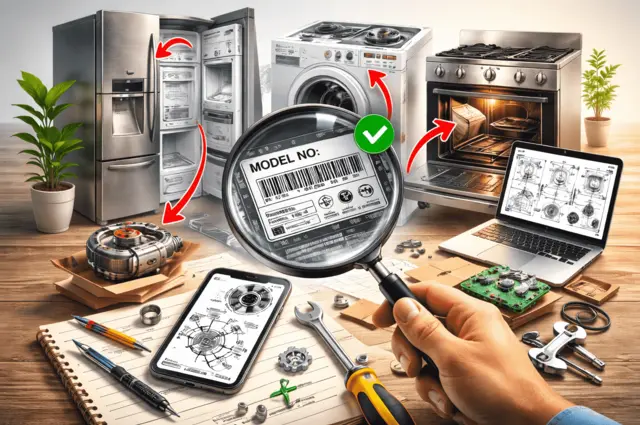
 When a household appliance breaks down, it can disrupt daily routines and create unnecessary stress. One of the quickest ways to address a malfunction is by replacing the faulty component with the correct part. The key to a successful repair is often rooted in one fundamental detail: the appliance’s model number. Knowing this unique identifier can save time, prevent mistakes, and ensure your device is back in working order with the right components. For example, those searching for official replacement parts should consider trusted sources such as Samsung Parts, which specializes in providing genuine components.
Many appliance owners are unaware of how powerful their model number is in identifying compatible parts. This single detail eliminates guesswork and matches you with parts tailored specifically for your machine. Without it, you risk ordering parts that may not fit or function as intended, leading to added costs and avoidable frustration. That is why taking a few minutes to locate and use your appliance’s model number can significantly streamline the repair process.
What Is a Model Number?
A model number is a string of letters, numbers, and sometimes special characters assigned by the manufacturer to identify a particular appliance design or version. It is different from a serial number, which is unique to each unit. While two appliances may appear identical on the outside, their internal components could differ, making the model number a critical piece of information for finding precise replacement parts.
When shopping for parts, retailers and manufacturers often request the model number first because it precisely defines the configuration, features, and parts used. For appliance repair professionals and do-it-yourselfers alike, model numbers help avoid the common pitfall of buying parts based solely on visual similarity. Consumer Reports highlights the importance of using this information when seeking maintenance and repairs, reinforcing the value of knowing your model number.
Locating Your Appliance’s Model Number
Model numbers are generally easy to find as manufacturers typically place them in accessible yet protected locations to prevent wear. Here is how to locate them for common home appliances:
- Refrigerators: Inside the fresh food compartment, either along the side wall or the ceiling.
- Washers: Under the lid, affixed to the door frame, or behind the control panel.
- Dryers: Just inside the door opening or on the back panel.
- Dishwashers: Along the inner door frame.
- Ranges/Ovens: Behind the oven door or within the storage drawer under the oven.
If you cannot find the model number, most manufacturers provide online diagrams to help customers, or you can consult the appliance’s user manual for guidance. For a comprehensive visual guide, Wirecutter offers step-by-step instructions for various brands and appliances.
Why Model Numbers Matter
Three main reasons demonstrate the importance of model numbers in the process of finding compatible appliance parts:
- Ensuring Compatibility: Appliances within a product line may differ in internal design. Model numbers help confirm that the part you order will fit and function as required.
- Preventing Errors: Purchasing parts based solely on appearance or assuming universal compatibility can result in costly mistakes and nonfunctional repairs.
- Saving Time and Money: Model numbers streamline the search process, reducing the risk of buying the wrong part and avoiding the inconveniences of returns and repeated repairs.
Using Model Numbers to Order Parts
After locating the model number, follow these steps to get the right replacement part the first time:
- Record the Complete Model Number: Include all characters and suffixes, including those that may indicate specific versions.
- Consult Official Parts Lists: Manufacturer websites often provide parts diagrams and listings by model number, which helps ensure accuracy.
- Verify Part Numbers: Compare the replacement part’s part numbers with those listed in diagrams or support sites to confirm compatibility.
- Use Authorized Dealers: Purchase from well-regarded suppliers or the manufacturer to ensure the part meets safety and quality standards.
For more expert advice on matching parts and ensuring compatibility, Family Handyman provides practical tips for DIY enthusiasts and homeowners.
Common Mistakes to Avoid
Ordering appliance parts can be straightforward, but it also comes with common mistakes. Being aware of these can help you avoid delays and added expenses:
- Ignoring the Model Number: Buying based on product images alone can lead to incorrect purchases, as parts are often appliance-specific.
- Missing Version Suffixes: Many model numbers include suffixes or additional characters that represent different features or revisions. Overlooking these can lead to incompatibility issues.
- Not Cross-Referencing Sources: Double-check information across multiple reputable sources to ensure you obtain the correct part for your specific appliance.
Conclusion
Understanding and using your appliance’s model number is central to quickly and confidently finding compatible replacement parts. This approach helps ensure safe, proper repairs, reduces unnecessary expenses, and extends the life of your household appliances. By leveraging model numbers, you can approach appliance maintenance with a sense of control and a higher likelihood of success.


 How to Choose the Right GenAI Partner for Your Business in 2026
  Practical Strategies for Building Reliable Network Security in a Cloud-First World
  DeepSeek R1: The AI Revolution That Defied U.S. Trade Barriers and Stunned the World
  Why Some AI Models Fail Under Pressure – A DeepSeek AI Case Study
  Various Ways to Sell Bitcoin for Cash Instantly
  Understanding the Fundamentals of Intrusion Prevention Systems